Jul 18, 2026
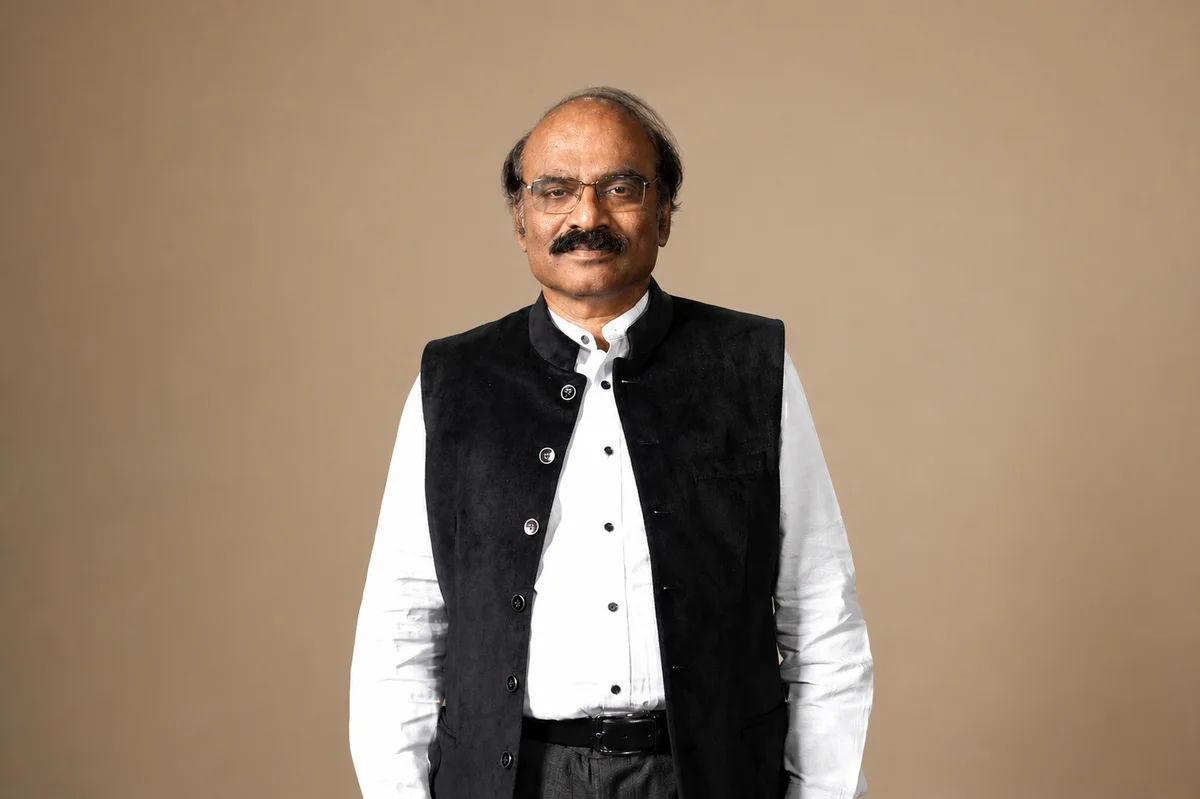
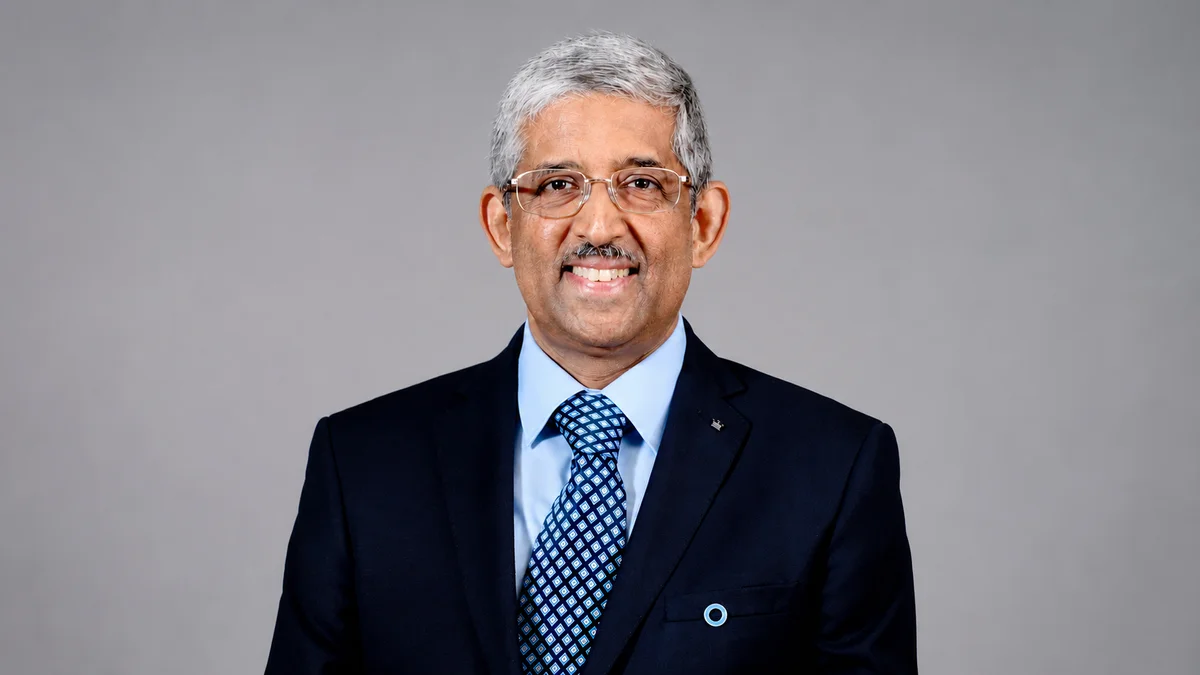
Dr. Dorairaj Prabhakaran on Harnessing AI for Cardiovascular Care
Dr. Dorairaj Prabhakaran on Harnessing AI for Cardiovascular Care
UPDATED: Jul 3, 2026, 3:55:10 PM
The clinical transition from traditional care to precision medicine is driven by the increasing complexity of patient data and the need for personalized interventions. Digital health provides the infrastructure for data storage, yet it often lacks predictive analytics.
This clinical reality necessitates a shift toward machine learning models that can process multi-layered neural networks. Addressing this gap at the World Congress on Cardio-Kidney Metabolic Medicine (WCCKMM 2026), Dr. Dorairaj Prabhakaran introduced essential insights.
Dr. Prabhakaran, President-Elect of the World Heart Federation, clarified that AI in healthcare involves actual machine intelligence. By incorporating human-like thinking, clinicians can automate diagnostics and predict disease risks with enhanced precision.
AI applications in cardiology are rapidly expanding, particularly in opportunistic screening and risk stratification. Dr. Prabhakaran highlighted that non-contrast CT scans can be used to incidentally detect coronary artery calcium (CAC), epicardial fat, and hepatic fat.
This method allows for risk stratification without additional radiation exposure, optimizing resource utilization. Current clinical risk scores, such as the Framingham equation, significantly underestimate cardiovascular risk in the Indian population. Dr. Prabhakaran noted that AI can recalibrate these scores using localized data to provide more accurate assessments. Furthermore, AI-driven ECG platforms are now capable of detecting subtle changes that predict the likelihood of cardiomyopathy a decade in advance.
Beyond individual risk, AI is being utilized to address social determinants of health, such as air pollution. Modeling PM2.5 exposure has revealed that every 25 microgram per cubic meter increase in particulate matter correlates with a 3 to 5 mm Hg increase in blood pressure.
Managing these environmental factors through tech-enabled pathways could reduce the population prevalence of hypertension by 5% to 15%. This creates an open clinical dilemma regarding systemic execution and technological integration.
"Can we have a mechanism by which you use AI-based data and recalibrate Framingham risk?" Dr. Prabhakaran asked. "Can we predict 10 years in advance whether that patient is likely to have cardiomyopathy in the future? How do we predict air pollution? How do we do that?"
Dr. Dorairaj Prabhakaran on Harnessing AI for Cardiovascular Care
Tags: Drdorairajprabhakaran Wcckmm2026 Therightdoctors Artificialintelligence Cardiology Machinelearning Digitalhealth Precisionmedicine Heartfailure Airpollution Hypertension Worldheartfederation Healthtech Publichealth Mumbai Recalibration Diagnostics Medtech |
Most Popular
Reminisces of a Surgical PG Student
Dr. Sayandev Das Gupta

Challenges of Medical Education in India
Prof. Dr. Vitull K. Gupta
Lipedema: Mistaken for Obesity
DR. V.K.SRINAGESH
Role of telemedicine in COVID-19 pandemic
Dr Hardeep Kaur Grewal

Common Errors in Hypertension Measurement: Dr. Kamlesh Tewary
Dr. Kamlesh Tewary
More From TheRightDoctors
Back Pain During COVID-19
Dr. Kaushik Sil

Impact of Stress on Health
Dr. Manju Mehta
COVID-19: Effects on the Gastrointestinal Tract & Liver
Dr. Rajesh Upadhyay
Orthopedics: the past, the present and back to the past to deal with the COVID-19 era
Dr N Somasekhar Reddy
Trending

Vitamin D Supplementation in Patients with Diabetic Retinopathy
Prof. Sandeep Saxena
Understanding Systemic Burnout and Policy Initiatives for Doctors
Restructuring Macronutrient Ratios Checks Indian Diabetes