Jul 18, 2026
Restructuring Macronutrient Ratios Checks Indian Diabetes
Restructuring Macronutrient Ratios Checks Indian Diabetes

Updated: Jul 10, 2026, 4:11:50 PM

Text Size:
The epidemiological trajectory of type 2 diabetes and associated metabolic disorders across India is driving a severe cardiorenal public health crisis. Granular data from the comprehensive ICMR-INDIAB study indicates that 16% of urban adults and 9% of rural adults live with diabetes, establishing an overall adult prevalence of 11%.
Alarmingly, the prevalence of pre-diabetes surpasses these numbers, placing a combined 237 million individuals within a high-risk metabolic corridor characterized by an exceptionally rapid transition to overt clinical disease. This expanding metabolic foundation is heavily compounded by an immense burden of abdominal adiposity, which currently impacts 351 million individuals nationwide.
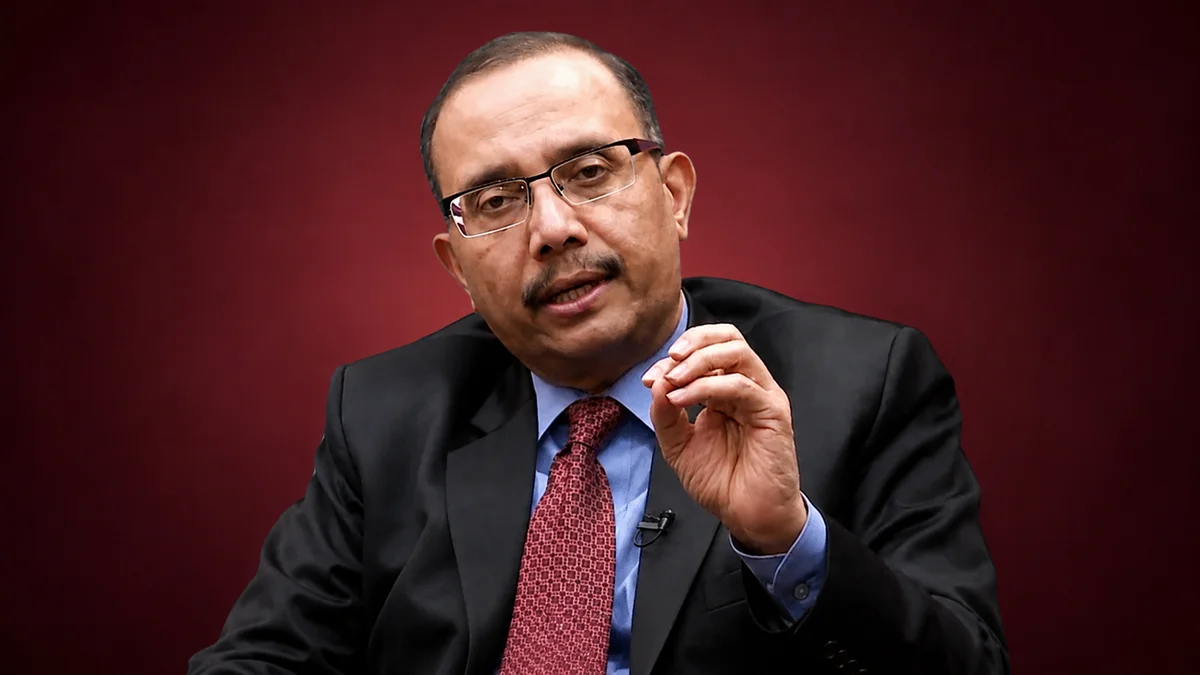
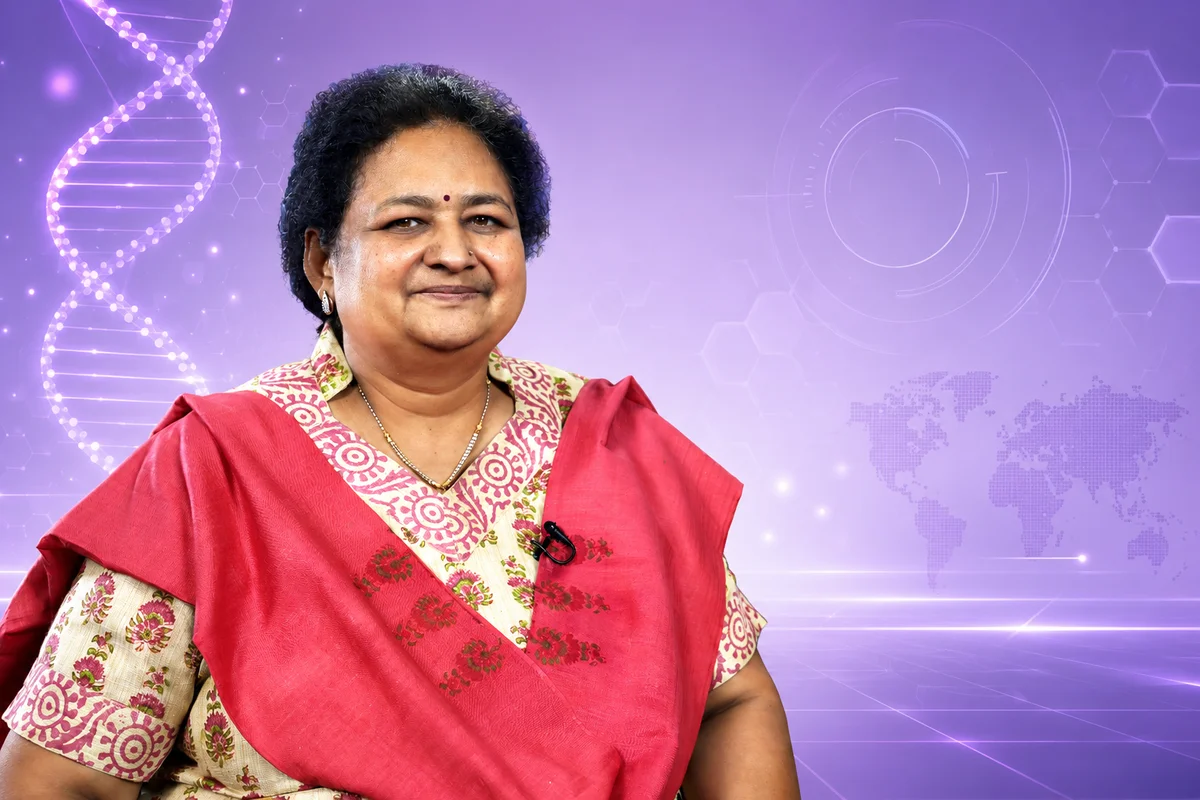
Addressing this practice gap during a session at the World Congress of Cardiovascular-Kidney-Metabolic Medicine (WCCKMM 2026), Dr. V. Mohan, Chairman of the Madras Diabetes Research Foundation and a globally renowned diabetologist, presented definitive evidence-based strategies to arrest this crisis.
Dr. Mohan clarified that while genetic predisposition remains a baseline factor, the exponential surge in diabetes over recent decades is primarily driven by rapid lifestyle shifts, physical inactivity, and a marked excess in total carbohydrate consumption. Data from the multi-country PURE study and a subsequent country-wide analysis in Nature Medicine confirm a direct correlation between carbohydrate intake and newly diagnosed type 2 diabetes, generalized obesity, and visceral adiposity.
To address this without waiting decades for population-wide dietary transformations, mathematical and biological modeling demonstrates that a modest 10% reduction in total carbohydrates—shifting from 65% down to 50% or 55% of daily energy intake—can significantly alter the epidemic's trajectory. Clinicians must counsel patients to replace these refined carbohydrates specifically with quality plant-based proteins and fiber rather than animal fats or alternative simple starches.
Furthermore, multi-decade longitudinal data from the CARS study introduces environmental stressors into the cardiorenal matrix, establishing a direct, independent correlation between prolonged PM2.5 air pollution exposure and incident type 2 diabetes alongside elevated blood pressure. This intersection of environmental toxins, carbohydrate saturation, and low protein intake accelerates hepatic steatosis and visceral fat deposition.
Compounding this physiological strain, registry data indicates that a fraction of the current patient population meets the collective "ABCD" treatment goals. Only 30% achieve target HbA1c levels, 50% hit blood pressure targets, and 60% manage lipid goals, culminating in a mere 7% of patients successfully optimizing all parameters simultaneously to prevent advanced cardiorenal complications.
How can clinical infrastructure rapidly pivot to incentivize proactive macronutrient restructuring and strict ABCD goal adherence before escalating glycemia drives irreversible end-organ damage? Dr. Mohan left the specialist assembly to evaluate this foundational clinical challenge.
TheRightDoctors | Official Digital Knowledge Partner | WCCKMM 2026
ALSO READ | The Indispensable Role of SGLT2i in Heart Failure
ALSO WATCH | Incorporating Imaging Refines Risk in CKM Syndrome
Support TheRightDoctors
A fake news pandemic has taken the world by storm. More so for medical content.
We are witnessing a paradox of information overload and unanswered questions among both the lay public and the medical community.
TheRightDoctors brings you Insights from thought leaders across leading medical specialities. Views which help correct the information asymmetry and articulate the voice of medical science and reason.
This effort, however, needs your support.
Medical journalism is a niche which can survive only when it is adequately funded.
If you appreciate the work we do, we would like to request your support. Every contribution however big or small is valuable to us.
The options on this page enable you to choose between a one-time, monthly or annual payment. This is inclusive of GST. If you are a firm with GST, we will issue a GST invoice. Please reach out to us at support@therightdoctors.com
We thank you for your trust and your support.
SupportTags: Drvmohan | Wcckmm2026 | Therightdoctors | Diabetesepidemic | Icmrindiab | Cardiorenal | Metabolicmedicine | Carbohydraterestriction | Plantprotein | Abdominalobesity | Publichealth | Cardiology | Endocrinology | Prediabetes | Airpollution | Abcdgoals | Cardiotwitter | Internalmedicine |



Most Popular

Understanding Systemic Burnout and Policy Initiatives for Doctors

Beyond the textbook: Overhauling Medical Curricula
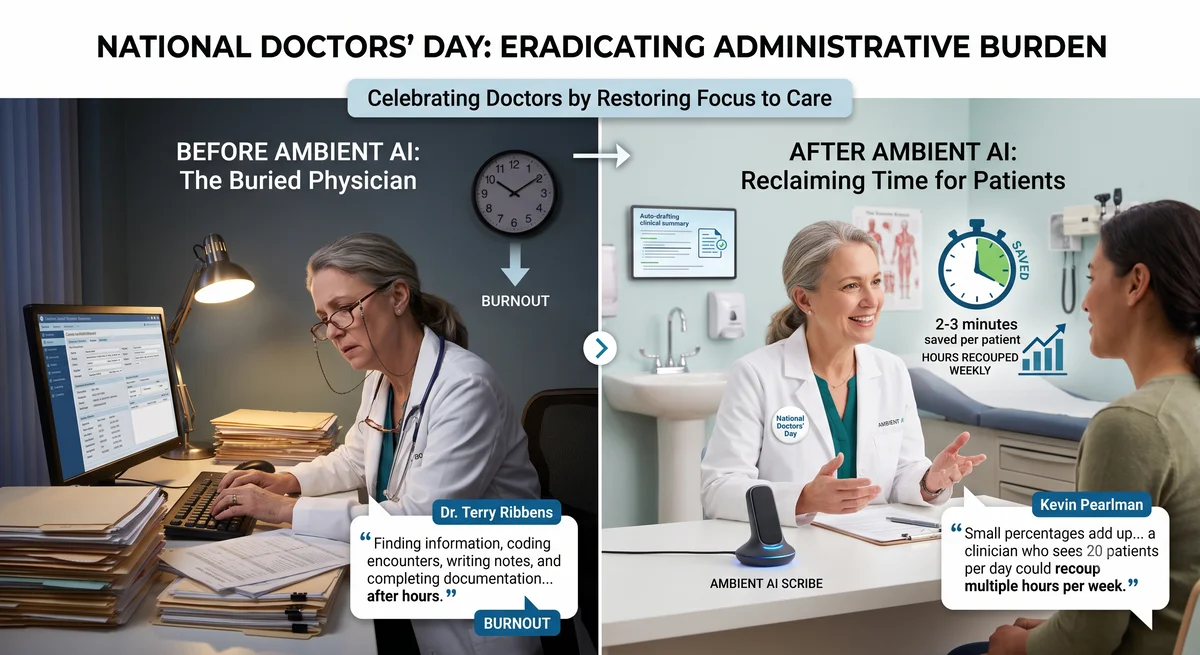
Eradicating Administrative Burden on National Doctors Day
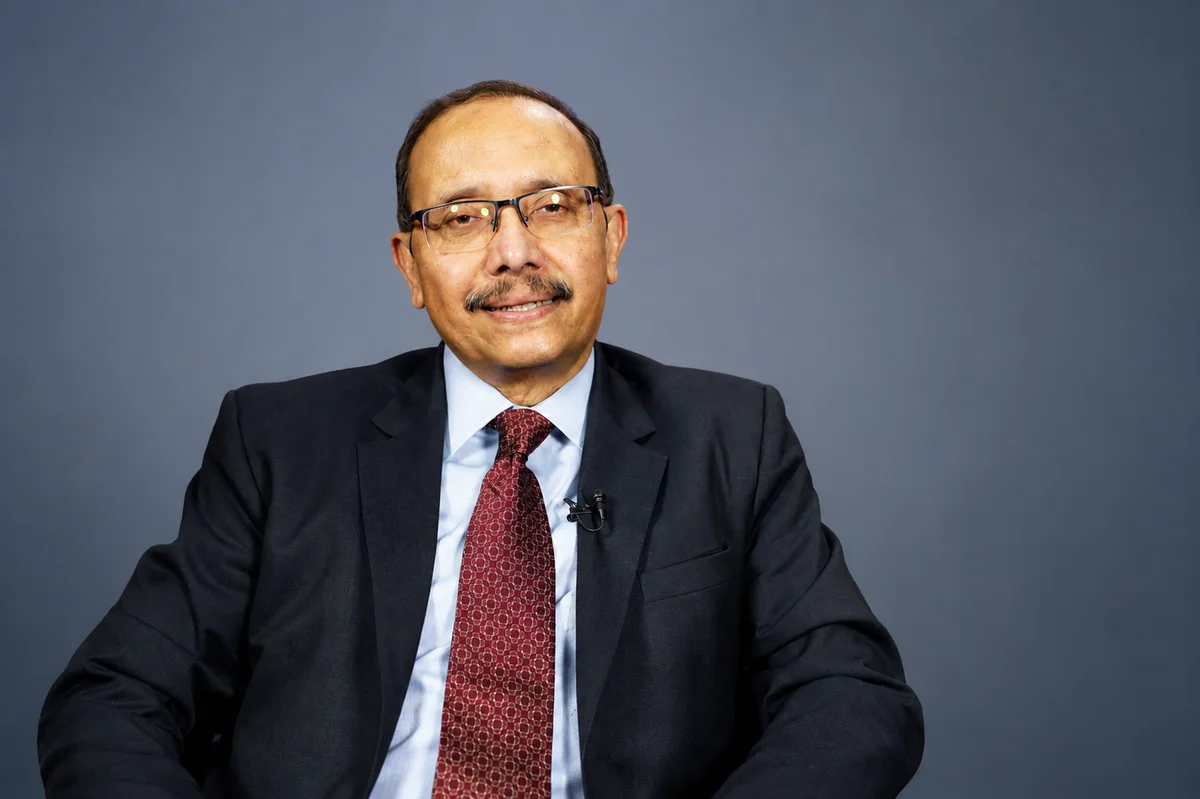
Cardiac MRI Scarring Above 5% Predicts Sudden Death Risk
More from TheRightDoctors

Food Sequencing & Unpolished Grains Beat Sugar Substitution in CKM
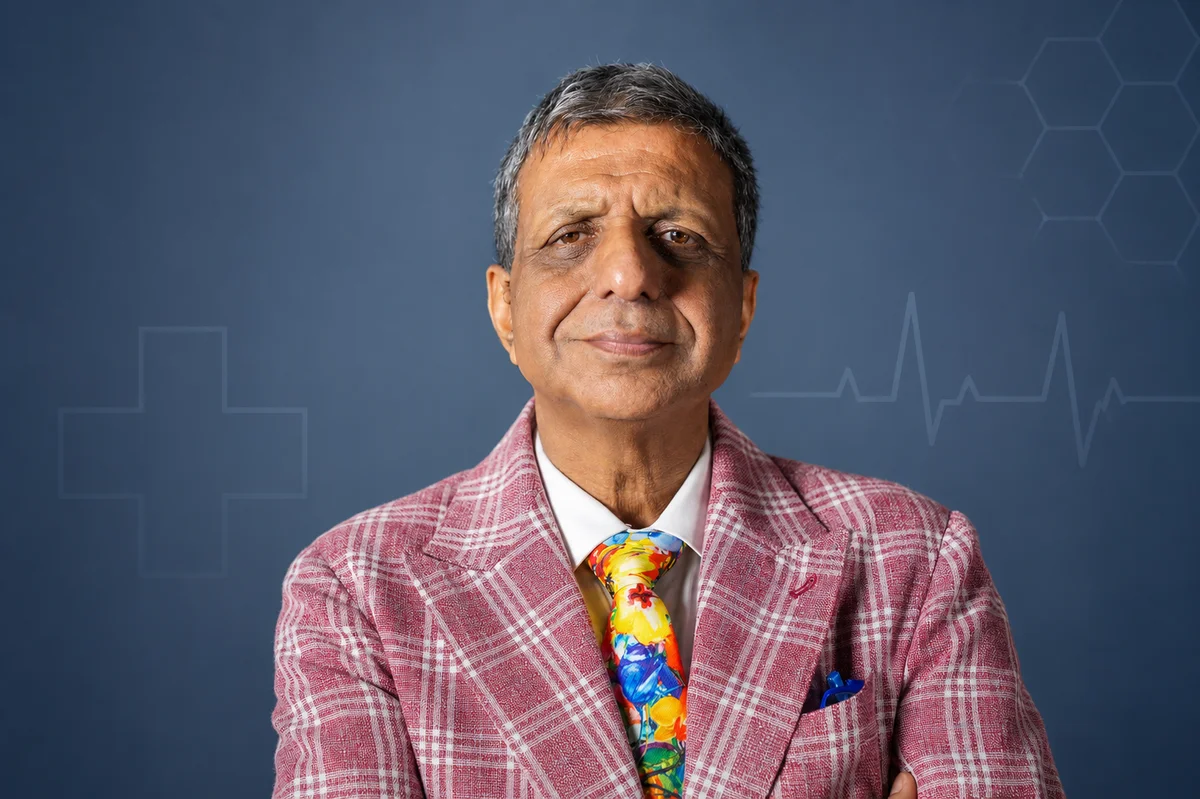
Umbilical Cord LDL of 25 mg/dL is the True Standard: Dr Rajeev Agarwal
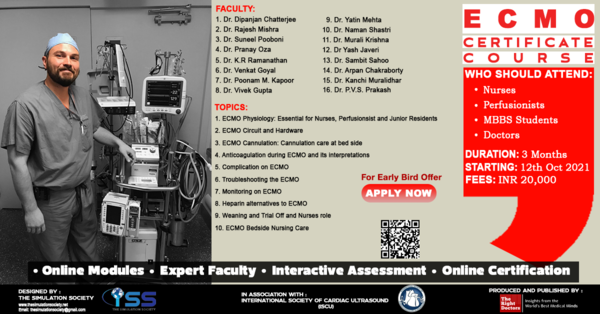
Click here to Register for ECMO course
Trending

Carb Quality and Portion Control Outweigh Elimination: Dr. Niti Desai
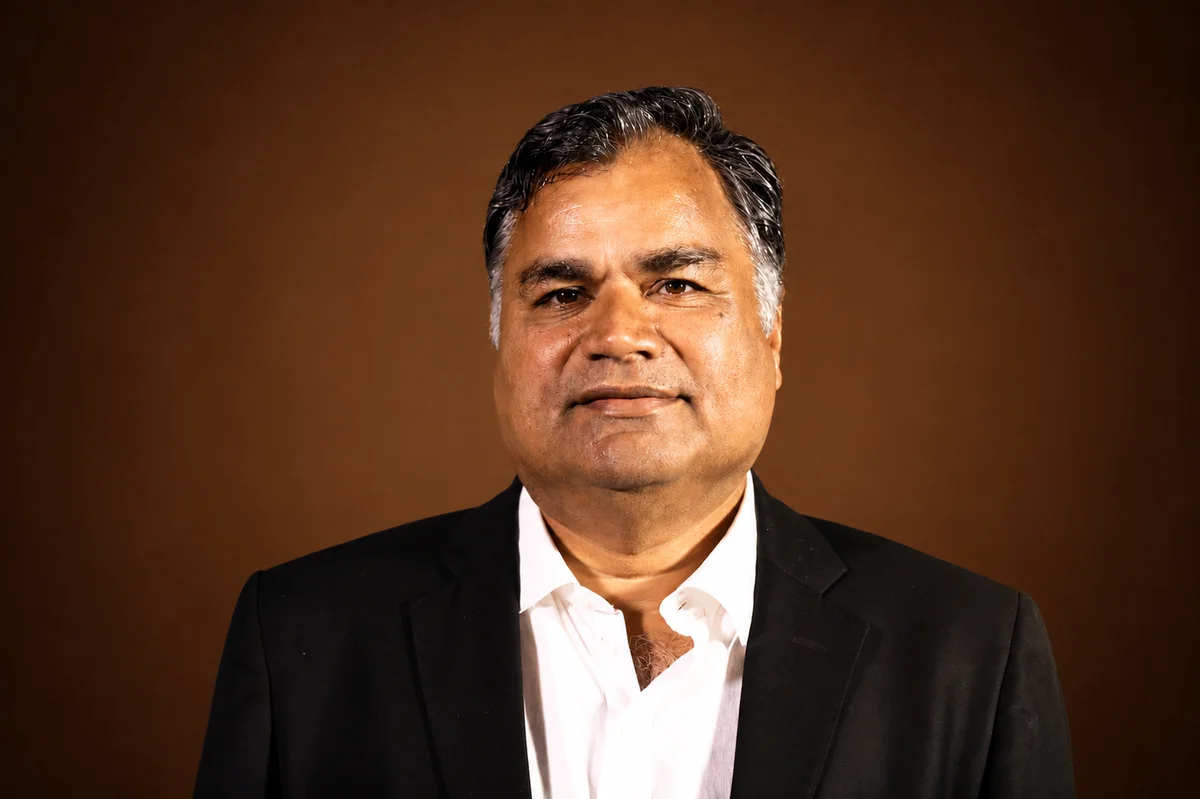
UACR Above 10 mg/g Signals Vascular Damage: Dr. Anil Pareek
Sweeteners Disrupt Insulin Secretion, Warns Dr Shaifali Bansal

Pregnancy Programming Dictates Adult Metabolic Risk: Dr. Sunil Gupta
Powered by:
.png)
Awards & Recognitions:


