Jul 18, 2026
The Indispensable Role of SGLT2i in Heart Failure
The Indispensable Role of SGLT2i in Heart Failure

Updated: Jul 6, 2026, 1:00:32 PM

Text Size:
The epidemiological intersection of type 2 diabetes mellitus and heart failure presents an escalating clinical challenge characterized by a steep trajectory of morbidity and mortality. Patients diagnosed with diabetes succumb to premature mortality approximately six to eight years earlier than their unaffected counterparts, with heart failure driving roughly 15% of these fatalities.
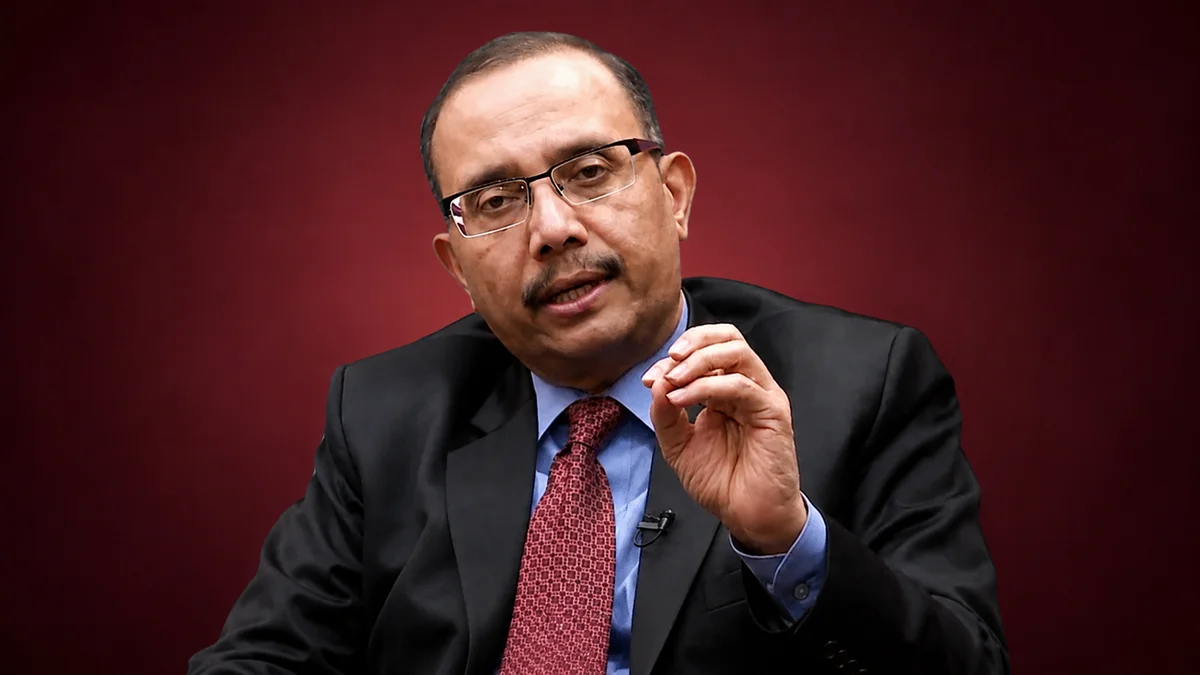
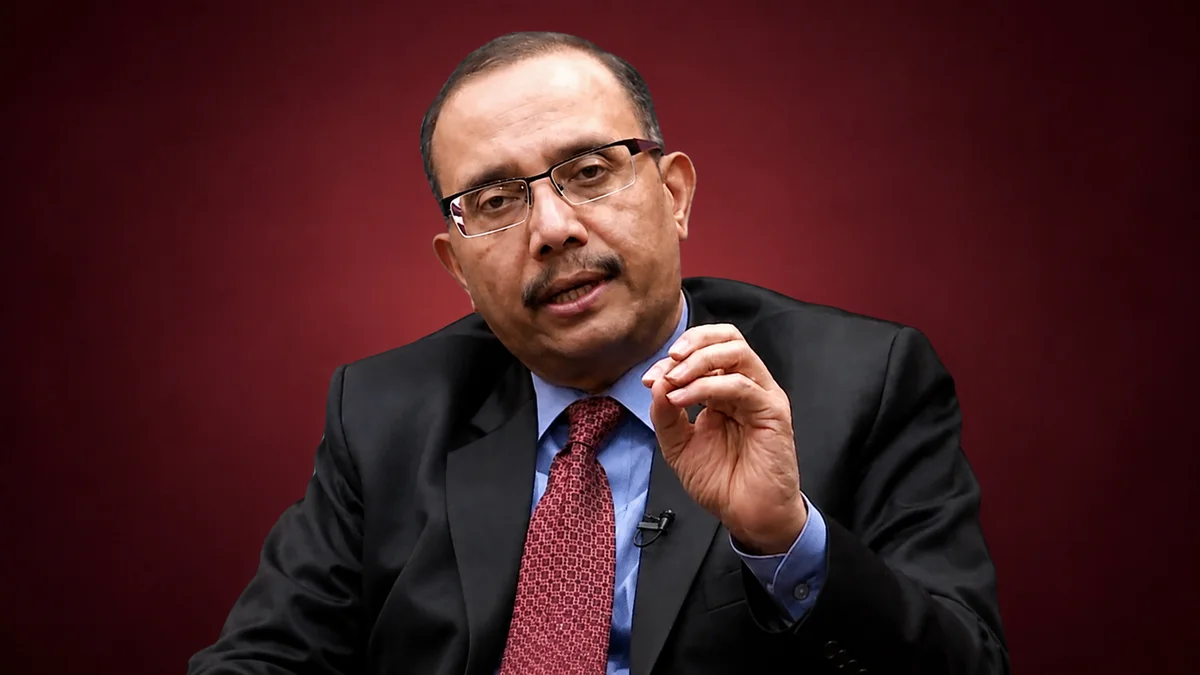
While ischemic macrovascular complications are traditionally prioritized, peripheral vascular manifestations and heart failure represent the most prevalent primary cardiovascular phenotypes in this demographic. This clinical vulnerability is profoundly pronounced in younger cohorts, where women under 55 years of age experience a five-fold escalation in heart failure risk. Addressing this critical practice gap during a session at the World Congress of Cardiovascular-Kidney-Metabolic Medicine (WCCKMM2026), Dr P C Deedwania, Professor of Medicine at the University of California, San Francisco (UCSF), delivered essential management insights.
Dr Deedwania detailed the intricate pathophysiology of diabetic cardiomyopathy, noting that accelerated ventricular fibrosis and stiffening fuel a high prevalence of heart failure with preserved ejection fraction. This structural remodeling is further compounded by compromised metabolic function and aberrant calcium handling within the sarcoplasmic reticulum. Focusing on the central mechanism of sodium-glucose cotransporter 2 (SGLT2) inhibitors, Dr Deedwania clarified that their efficacy remains completely independent of systemic insulin sensitivity. These agents block proximal tubular glucose reabsorption to facilitate glycosuria, while simultaneously inhibiting sodium-hydrogen exchanger-1 to induce potent natriuresis.
This dual action provides an optimized osmotic diuretic profile that lowers intracellular sodium, reduces preload and afterload, and avoids the metabolic destabilization seen with conventional loop diuretics.
Furthermore, dual SGLT1/2 inhibition provides ancillary benefits by improving intestinal transport dynamics and optimizing myocardial ATP production through ketone utilization.
Reviewing the clinical trial timeline, Dr Deedwania recalled that the landmark EMPA-REG OUTCOME trial first revealed unexpected, rapid reductions in heart failure hospitalizations. Subsequent data from the DAPA-HF, EMPEROR-Preserved, and DELIVER trials confirmed consistent cardiorenal protection across the entire ejection fraction range.
These clinical trials demonstrated that the absolute benefit remains highly reproducible regardless of baseline ejection fraction, and importantly, extends to patients without concomitant diabetes. Quadruple foundational therapy—combining SGLT2 inhibitors with beta-blockers, mineralocorticoid receptor antagonists, and ARNI therapy—prolongs patient survival by an average of 6.3 years.
Emphasizing therapeutic sequencing, Dr Deedwania noted that these agents are now firmly established as first-line options in international consensus guidelines. Given the immediate divergence of risk curves observed in clinical registries, delaying the initiation of these protective agents directly compromises long-term survivability.
How can clinical systems actively accelerate the immediate, first-line deployment of these foundational pillars in the acute setting to prevent irreversible cardiorenal decline? Dr Deedwania left the specialist audience to ponder this implementation dilemma.
TheRightDoctors | Official Digital Knowledge Partner | WCCKMM 2026
ALSO READ | Dr Chandrashekhar: Image Fat Depot Phenotypes | WCCKMM 2026
ALSO WATCH | Incorporating Imaging Refines Risk in CKM Syndrome
Support TheRightDoctors
A fake news pandemic has taken the world by storm. More so for medical content.
We are witnessing a paradox of information overload and unanswered questions among both the lay public and the medical community.
TheRightDoctors brings you Insights from thought leaders across leading medical specialities. Views which help correct the information asymmetry and articulate the voice of medical science and reason.
This effort, however, needs your support.
Medical journalism is a niche which can survive only when it is adequately funded.
If you appreciate the work we do, we would like to request your support. Every contribution however big or small is valuable to us.
The options on this page enable you to choose between a one-time, monthly or annual payment. This is inclusive of GST. If you are a firm with GST, we will issue a GST invoice. Please reach out to us at support@therightdoctors.com
We thank you for your trust and your support.
SupportTags: Drpcdeedwania | Therightdoctors | Wcckmm2026 | Heartfailure | Sglt2i | Cardiorenal | Metabolicmedicine | Diabetes | Cardiology | Hfpef | Hfref | Clinicalcardiology | Natriuresis | Cardiotwitter | Ucsf | Physicianeducation | Cardiovasculardisease |
Read More



Most Popular

Understanding Systemic Burnout and Policy Initiatives for Doctors

Beyond the textbook: Overhauling Medical Curricula

Eradicating Administrative Burden on National Doctors Day

Cardiac MRI Scarring Above 5% Predicts Sudden Death Risk
More from TheRightDoctors

Food Sequencing & Unpolished Grains Beat Sugar Substitution in CKM

Umbilical Cord LDL of 25 mg/dL is the True Standard: Dr Rajeev Agarwal
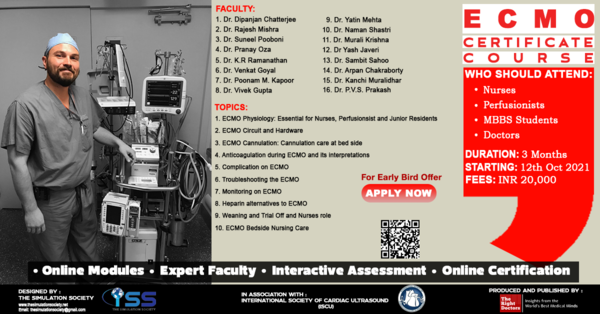
Click here to Register for ECMO course
Trending

Carb Quality and Portion Control Outweigh Elimination: Dr. Niti Desai

UACR Above 10 mg/g Signals Vascular Damage: Dr. Anil Pareek

Sweeteners Disrupt Insulin Secretion, Warns Dr Shaifali Bansal

Pregnancy Programming Dictates Adult Metabolic Risk: Dr. Sunil Gupta
Powered by:
.png)
Awards & Recognitions:


