Jul 18, 2026
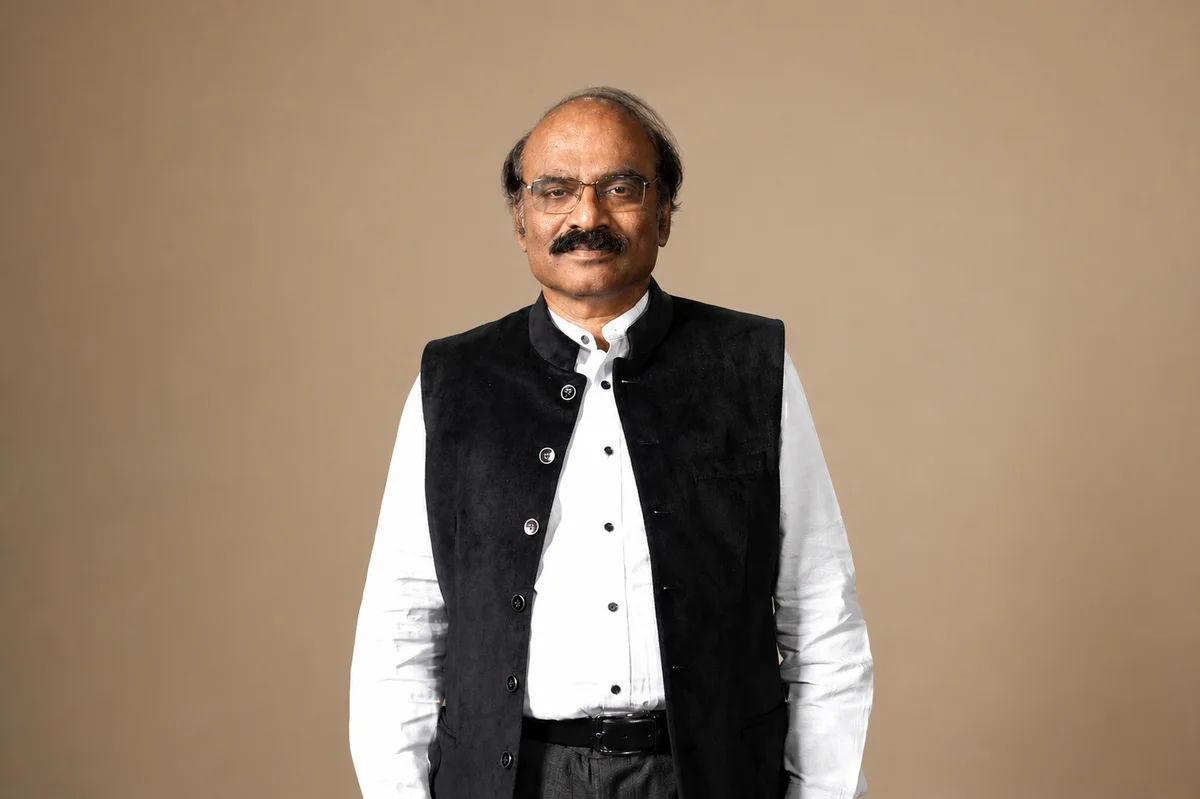
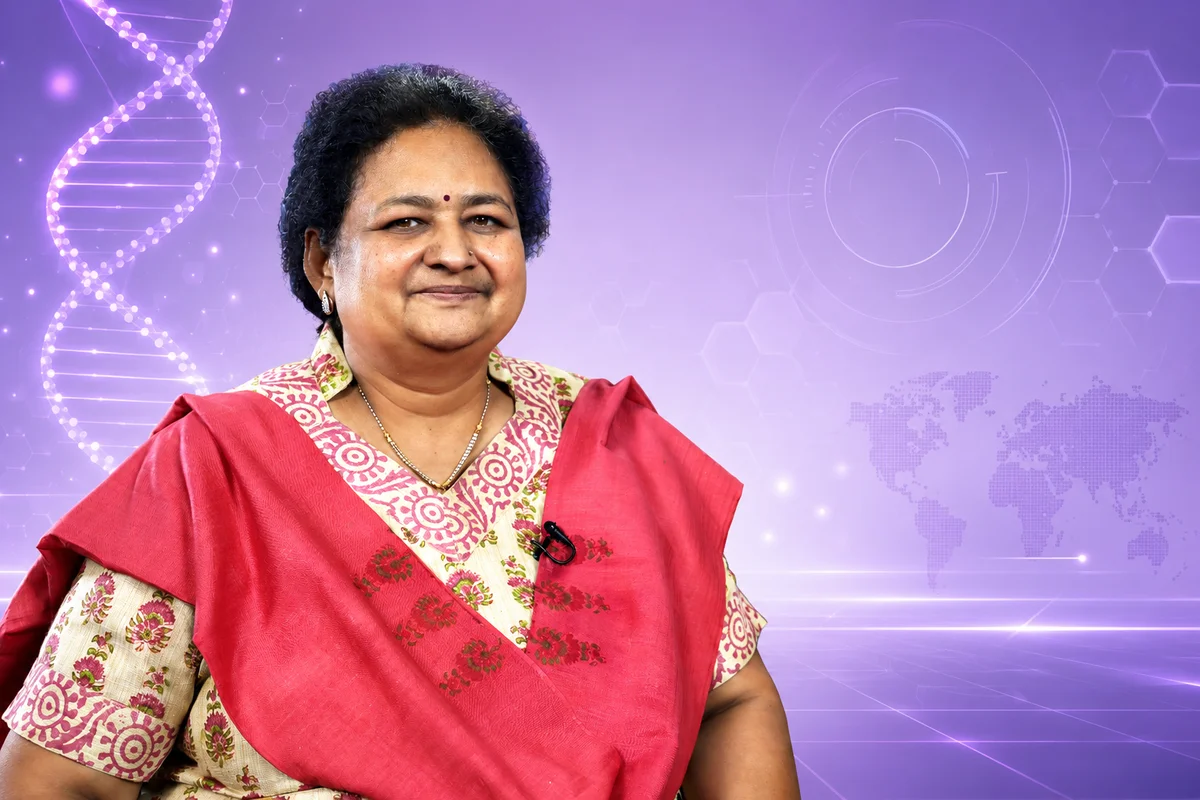
Dr. Dorairaj Prabhakaran on Harnessing AI for Cardiovascular Care
Dr. Dorairaj Prabhakaran on Harnessing AI for Cardiovascular Care

Updated: Jul 3, 2026, 3:55:10 PM
Text Size:
The clinical transition from traditional care to precision medicine is driven by the increasing complexity of patient data and the need for personalized interventions. Digital health provides the infrastructure for data storage, yet it often lacks predictive analytics.
This clinical reality necessitates a shift toward machine learning models that can process multi-layered neural networks. Addressing this gap at the World Congress on Cardio-Kidney Metabolic Medicine (WCCKMM 2026), Dr. Dorairaj Prabhakaran introduced essential insights.
Dr. Prabhakaran, President-Elect of the World Heart Federation, clarified that AI in healthcare involves actual machine intelligence. By incorporating human-like thinking, clinicians can automate diagnostics and predict disease risks with enhanced precision.
AI applications in cardiology are rapidly expanding, particularly in opportunistic screening and risk stratification. Dr. Prabhakaran highlighted that non-contrast CT scans can be used to incidentally detect coronary artery calcium (CAC), epicardial fat, and hepatic fat.
This method allows for risk stratification without additional radiation exposure, optimizing resource utilization. Current clinical risk scores, such as the Framingham equation, significantly underestimate cardiovascular risk in the Indian population. Dr. Prabhakaran noted that AI can recalibrate these scores using localized data to provide more accurate assessments. Furthermore, AI-driven ECG platforms are now capable of detecting subtle changes that predict the likelihood of cardiomyopathy a decade in advance.
Beyond individual risk, AI is being utilized to address social determinants of health, such as air pollution. Modeling PM2.5 exposure has revealed that every 25 microgram per cubic meter increase in particulate matter correlates with a 3 to 5 mm Hg increase in blood pressure.
Managing these environmental factors through tech-enabled pathways could reduce the population prevalence of hypertension by 5% to 15%. This creates an open clinical dilemma regarding systemic execution and technological integration.
"Can we have a mechanism by which you use AI-based data and recalibrate Framingham risk?" Dr. Prabhakaran asked. "Can we predict 10 years in advance whether that patient is likely to have cardiomyopathy in the future? How do we predict air pollution? How do we do that?"
ALSO READ | Dr Chandrashekhar: Image Fat Depot Phenotypes | WCCKMM 2026
ALSO WATCH | The Indispensable Role of SGLT2i in Heart Failure
Support TheRightDoctors
A fake news pandemic has taken the world by storm. More so for medical content.
We are witnessing a paradox of information overload and unanswered questions among both the lay public and the medical community.
TheRightDoctors brings you Insights from thought leaders across leading medical specialities. Views which help correct the information asymmetry and articulate the voice of medical science and reason.
This effort, however, needs your support.
Medical journalism is a niche which can survive only when it is adequately funded.
If you appreciate the work we do, we would like to request your support. Every contribution however big or small is valuable to us.
The options on this page enable you to choose between a one-time, monthly or annual payment. This is inclusive of GST. If you are a firm with GST, we will issue a GST invoice. Please reach out to us at support@therightdoctors.com
We thank you for your trust and your support.
SupportTags: Drdorairajprabhakaran | Wcckmm2026 | Therightdoctors | Artificialintelligence | Cardiology | Machinelearning | Digitalhealth | Precisionmedicine | Heartfailure | Airpollution | Hypertension | Worldheartfederation | Healthtech | Publichealth | Mumbai | Recalibration | Diagnostics | Medtech |
Most Popular
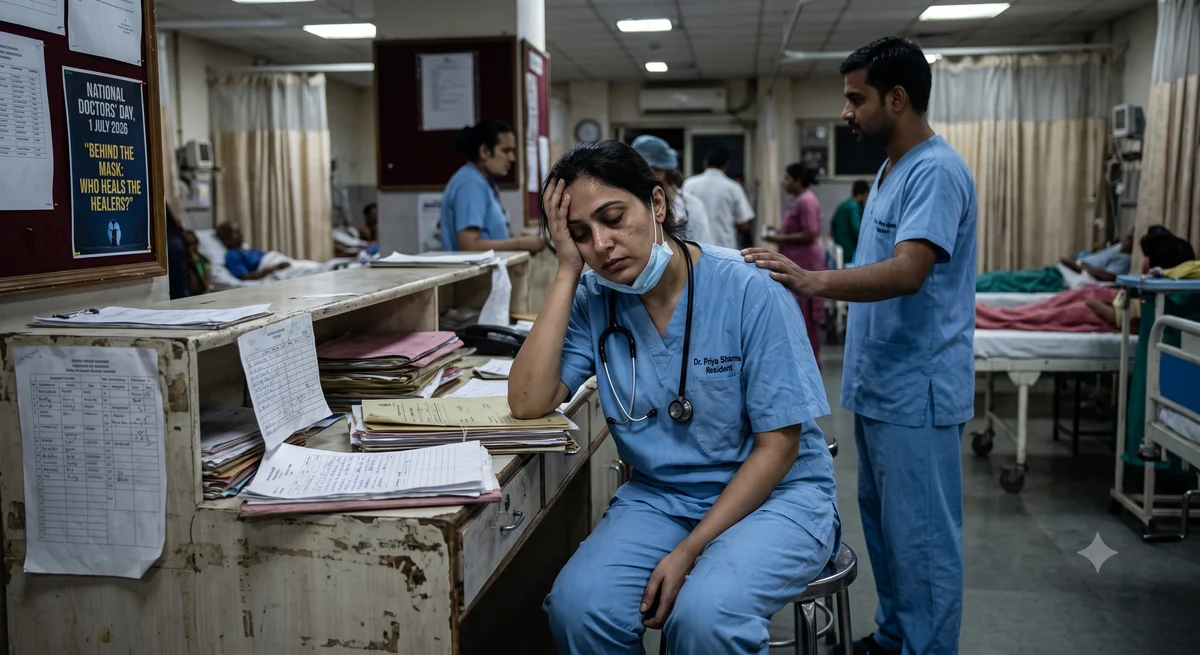
Understanding Systemic Burnout and Policy Initiatives for Doctors
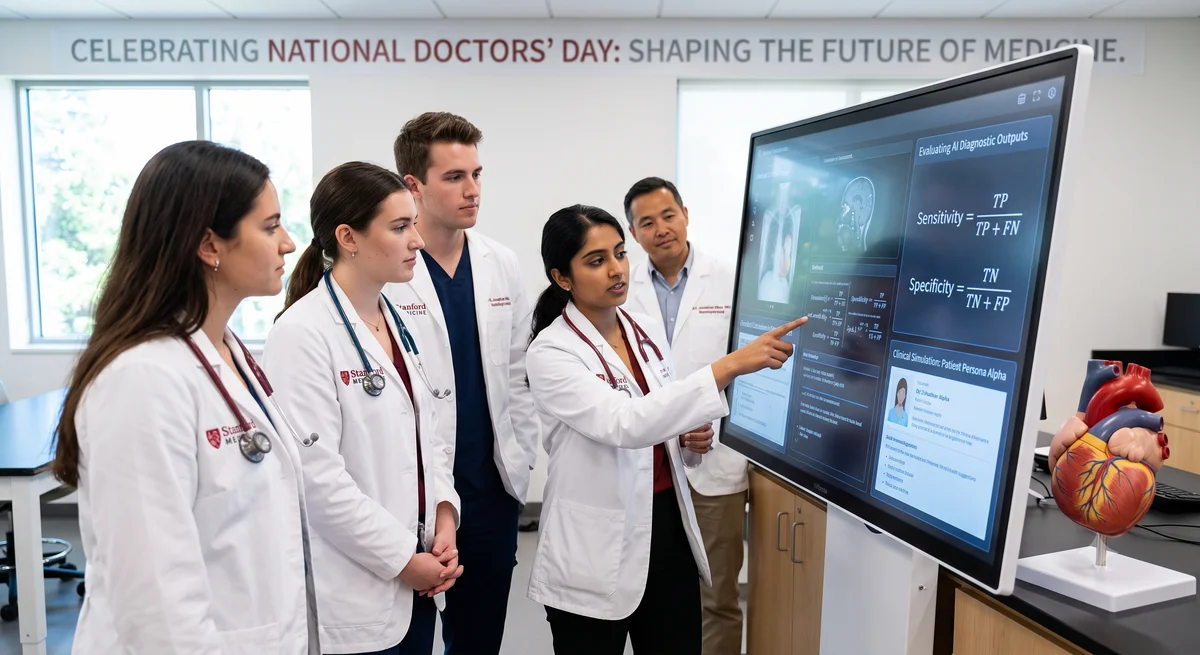
Beyond the textbook: Overhauling Medical Curricula
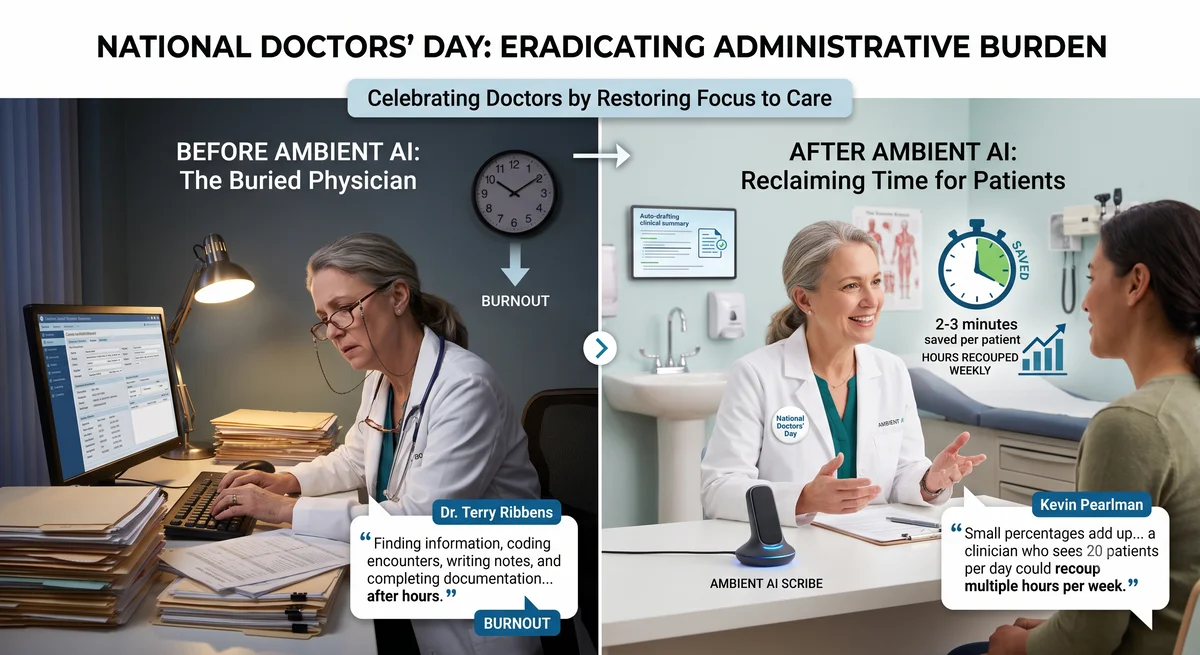
Eradicating Administrative Burden on National Doctors Day
Cardiac MRI Scarring Above 5% Predicts Sudden Death Risk
More from TheRightDoctors
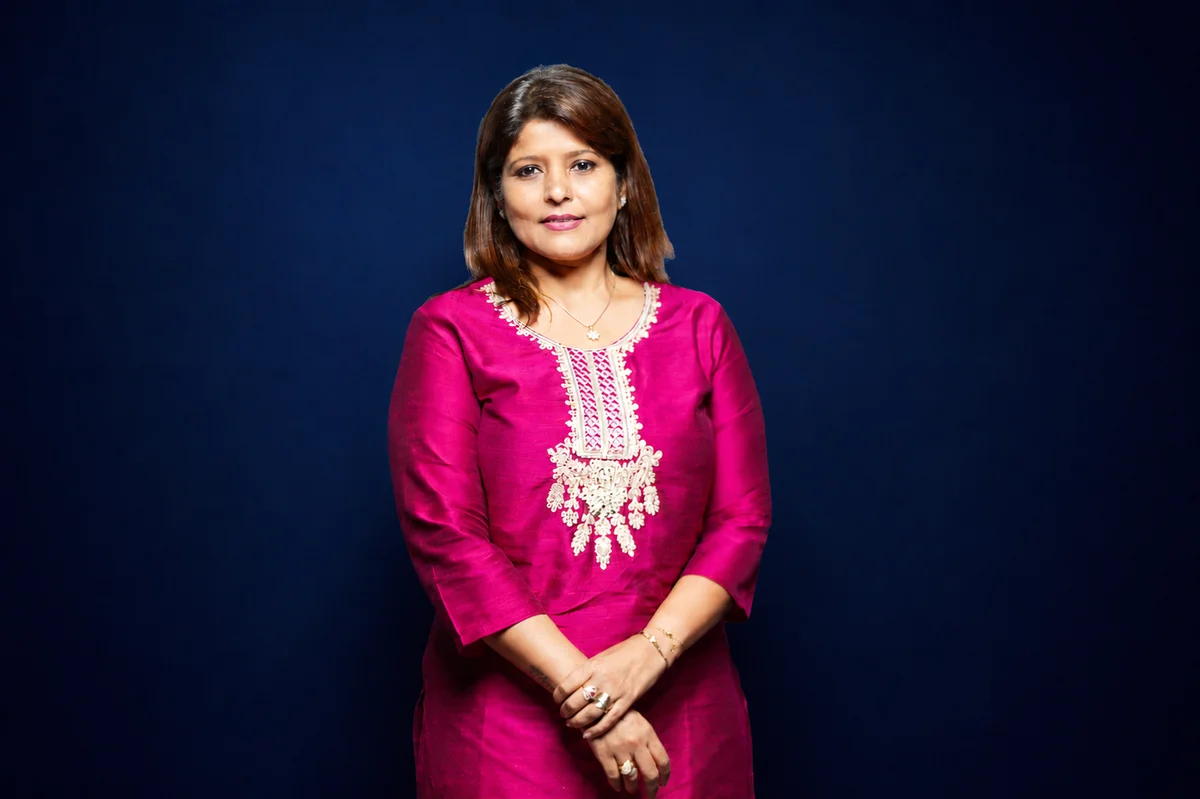
Food Sequencing & Unpolished Grains Beat Sugar Substitution in CKM
Umbilical Cord LDL of 25 mg/dL is the True Standard: Dr Rajeev Agarwal
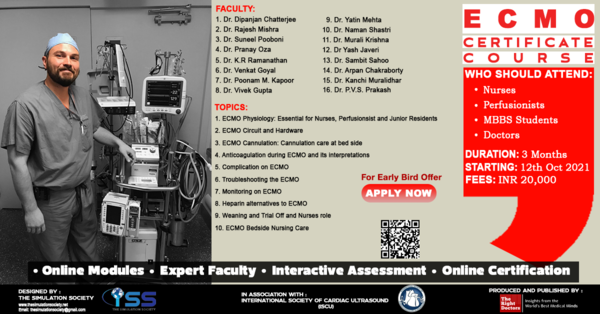
Click here to Register for ECMO course
Trending
Carb Quality and Portion Control Outweigh Elimination: Dr. Niti Desai
UACR Above 10 mg/g Signals Vascular Damage: Dr. Anil Pareek
Sweeteners Disrupt Insulin Secretion, Warns Dr Shaifali Bansal

Pregnancy Programming Dictates Adult Metabolic Risk: Dr. Sunil Gupta
Powered by:
.png)
Awards & Recognitions:


