Jul 18, 2026
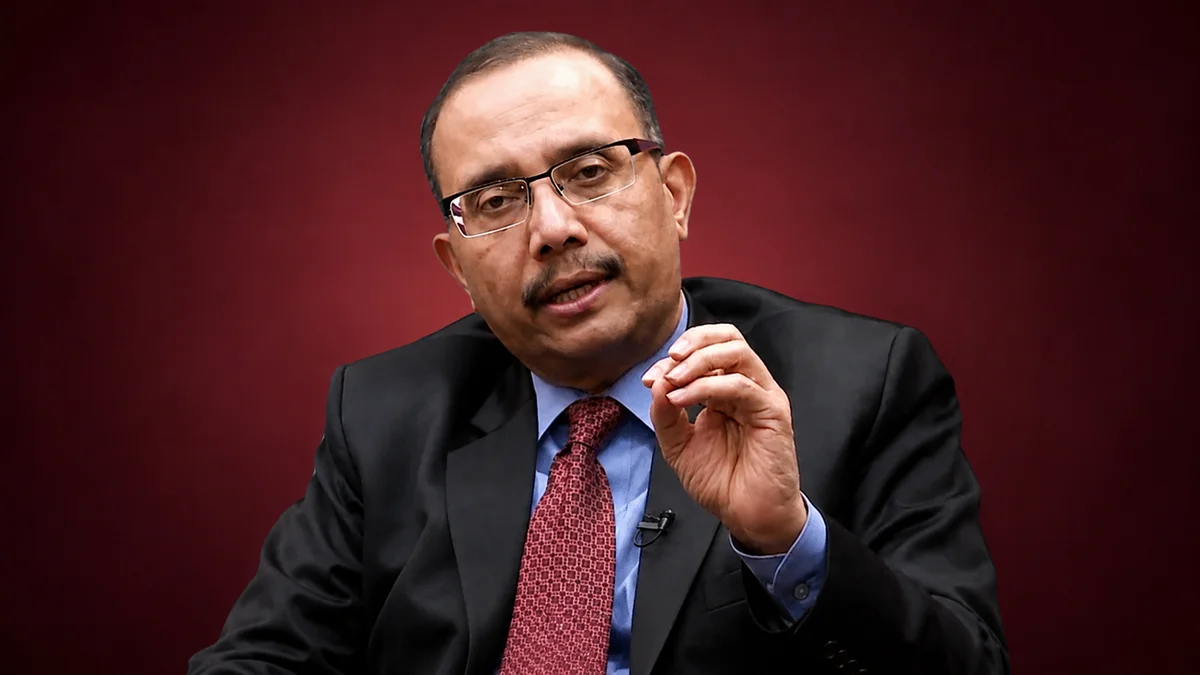
UACR Above 10 mg/g Signals Vascular Damage: Dr. Anil Pareek
UACR Above 10 mg/g Signals Vascular Damage: Dr. Anil Pareek

Updated: Jun 25, 2026, 5:18:19 PM

Text Size:
UACR Above 10 mg/g Signals Vascular Damage: Dr. Anil Pareek
The transition from the historical classification of "Syndrome X" to the contemporary cardio-kidney-metabolic framework marks a critical milestone in clinical cardiology. However, routine management protocols frequently overlook the liver’s central role in driving visceral adiposity.
This assessment gap demonstrates why standard cardio-renal diagnostic pathways must expand to include hepatic steatosis. Systemic vascular abnormalities and metabolic degradation are often directly driven by early-stage hepatic dysfunction.
In an interview at TheRightDoctors studio during the 4th World Congress on Cardio-Kidney-Metabolic Medicine (WCCKMM 2026) in Mumbai, Dr. Anil Pareek and Dr. P. C. Manoria addressed the evolution of the Cardio-Kidney-Metabolic (CKM) syndrome and the physiological interconnections between these systems.
Probing the diagnostic gap, Dr. Prof. P. C. Manoria asked Dr. Anil Pareek how subclinical glomerular changes provide a clearer picture of overall systemic arterial health.
Responding to Dr. Prof. P. C. Manoria's line of questioning, Dr. Anil Pareek stated that the structural integrity of glomerular capillaries reflects macrovascular changes far more precisely than a standard calculated eGFR.
Dr. Anil Pareek noted that microalbuminuria serves as a sensitive, early window to global vascular health. He clarified that standardized urine albumin-to-creatinine ratio testing remains underutilized in cardiology clinics despite its validated predictive value for acute coronary syndrome mortality.
Dr. Anil Pareek suggested that while 30 mg/g is the conventional diagnostic threshold, cardiorenal risk escalates significantly at levels above 10 mg/g. He argued for a strict target reduction in albuminuria using combined multi-drug regimens.
If the clinical hazard ratio for patient mortality remains elevated even within the currently accepted normal range, how can clinicians accelerate universal screening across routine practice? Dr. Prof. P. C. Manoria and Dr. Anil Pareek identified this as a critical, unresolved question.
TheRightDoctors | Official Digital Knowledge Partner | WCCKMM 2026
ALSO READ | Dr Chandrashekhar: Image Fat Depot Phenotypes | WCCKMM 2026
ALSO WATCH | The Indispensable Role of SGLT2i in Heart Failure
Support TheRightDoctors
A fake news pandemic has taken the world by storm. More so for medical content.
We are witnessing a paradox of information overload and unanswered questions among both the lay public and the medical community.
TheRightDoctors brings you Insights from thought leaders across leading medical specialities. Views which help correct the information asymmetry and articulate the voice of medical science and reason.
This effort, however, needs your support.
Medical journalism is a niche which can survive only when it is adequately funded.
If you appreciate the work we do, we would like to request your support. Every contribution however big or small is valuable to us.
The options on this page enable you to choose between a one-time, monthly or annual payment. This is inclusive of GST. If you are a firm with GST, we will issue a GST invoice. Please reach out to us at support@therightdoctors.com
We thank you for your trust and your support.
SupportTags: Dranilpareek | Drpcmanoria | Wcckmm2026 | Therightdoctors | Cklm | Ckm | Cardiology #Uacr #Nephrology #Metabolicsyndrome #Aha #Sglt2i | Hepatology | Cardiokidneymetabolic | Clinicalresearch | Dyslipidemia | Medicaleducation | Internalmedicine |



Most Popular

Dr. Pankaj Manoria on Post-MI Antiplatelet Therapy Selection

Understanding Systemic Burnout and Policy Initiatives for Doctors

Beyond the textbook: Overhauling Medical Curricula

Eradicating Administrative Burden on National Doctors Day
More from TheRightDoctors
Cardiac MRI Scarring Above 5% Predicts Sudden Death Risk

Food Sequencing & Unpolished Grains Beat Sugar Substitution in CKM
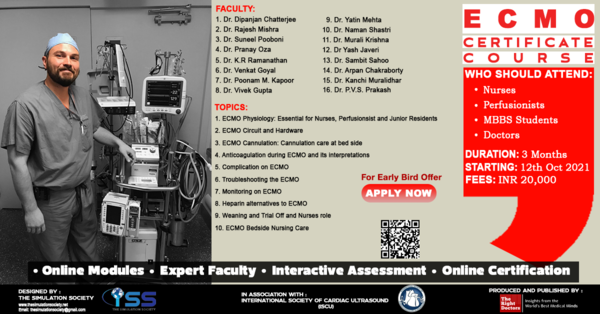
Click here to Register for ECMO course
Trending

Umbilical Cord LDL of 25 mg/dL is the True Standard: Dr Rajeev Agarwal

Carb Quality and Portion Control Outweigh Elimination: Dr. Niti Desai

Sweeteners Disrupt Insulin Secretion, Warns Dr Shaifali Bansal

Pregnancy Programming Dictates Adult Metabolic Risk: Dr. Sunil Gupta
Powered by:
.png)
Awards & Recognitions:


