Jul 18, 2026
Navigating Complex Realities of Demyelinating Misdiagnosis
Navigating Complex Realities of Demyelinating Misdiagnosis
Web Desk
UPDATED: May 30, 2026, 7:48:48 PM
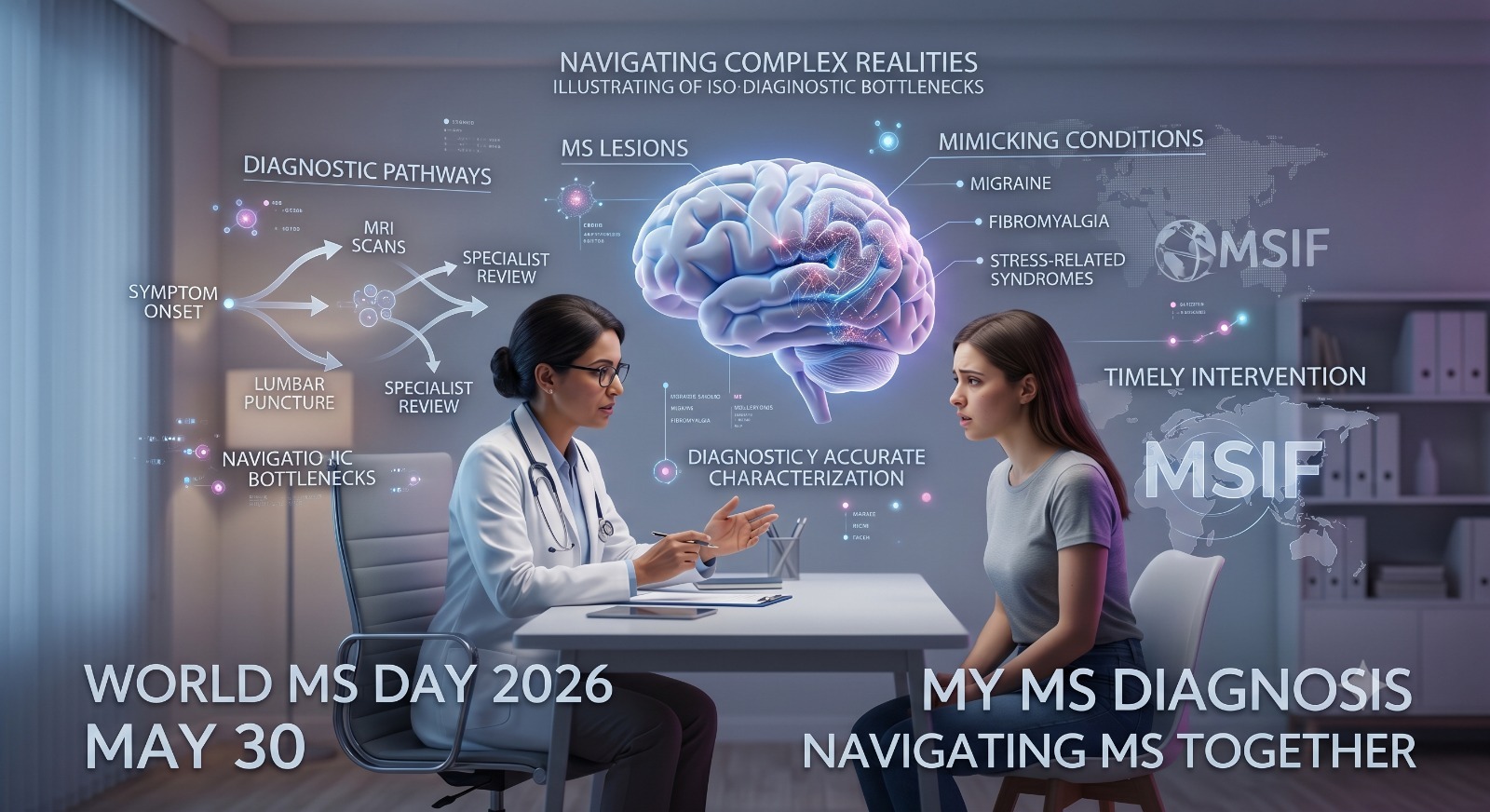
Frontline clinicians face a formidable challenge when distinguishing early central nervous system demyelination from overlapping rheumatological, psychiatric, and functional syndromes. Sensory disturbances, transient vision deficits, and persistent fatigue mimic multiple conditions, creating a prolonged diagnostic odyssey for patients.
"The diagnosis of MS is tricky. Both the symptoms and MRI testing results can look like other conditions, such as stroke, migraines, and vitamin B12 deficiency," notes Dr. Marwa Kaisey, a leading neurologist and MS specialist at the Cedars-Sinai Medical Center in Los Angeles. This practice dilemma underscores the urgent need for standardized diagnostic algorithms that utilize advanced neuroimaging and cerebrospinal fluid analysis early in the disease course to prevent irreversible damage.
World Multiple Sclerosis Day 2026 is observed on May 30 to confront these precise diagnostic bottlenecks under the global theme My MS Diagnosis, with the tagline Navigating MS Together. Coordinated by the Multiple Sclerosis International Federation (MSIF), this international mobilization emphasizes the necessity of overcoming structural barriers to ensure early and accurate clinical characterization. Timely intervention remains the single most effective variable in halting the accumulation of neurological disability.
Lydia Makaroff, CEO of the MSIF, emphasizes the urgent public health mandate behind this year’s campaign. "Too many people with MS face delays in diagnosis because of low MS awareness and limited access to specialist services," Makaroff states. "This campaign shines a light on those barriers and calls for urgent action to ensure that every person with MS can access the right diagnosis and care."
Epidemiological estimates published in the MSIF’s Atlas of MS indicate that 2.9 million individuals worldwide live with this condition, highlighting the massive scale of the public health challenge. Despite this staggering number, a high proportion of individuals endure years of misdirected treatments.
According to a landmark multicenter study published in the peer-reviewed medical journal Neurology, misinterpretation of symptoms is a widespread clinical reality. The research was led by Dr. Andrew Solomon, M.D., Division Chief of Multiple Sclerosis and Associate Professor of Neurological Sciences at the Larner College of Medicine at The University of Vermont, and it revealed critical vulnerabilities in contemporary care.
The study found that 72% of misdiagnosed patients took potent disease-modifying therapies to treat a disease they did not actually have, and 33% remained misdiagnosed for a decade or longer before an accurate clinical characterization was achieved. Alternative conditions most frequently mistaken for MS included migraines, fibromyalgia, and neuromyelitis optica spectrum disorder, all of which deplete patient resources and delay appropriate care.
Psychiatric misattributions represent an especially challenging barrier within contemporary clinical practice. Patients presenting with chronic fatigue and unexplained paresthesia are frequently told their symptoms stem from anxiety or conversion disorders. Conversely, non-specific abnormalities on imaging can cause clinicians to misapply standard protocols.
"Our study suggests that the misinterpretation and misapplication of MS diagnostic criteria are important contemporary contributors to misdiagnosis," explains Dr. Solomon. He cautions against an overreliance on magnetic resonance imaging abnormalities without a rigorous evaluation of a patient's comprehensive clinical history and neurological exams, warning that when clinical indicators are misread, silent inflammatory activity is allowed to damage the myelin sheath unchecked.
Expanding access to high-resolution magnetic resonance imaging and standardized lumbar puncture procedures is critical to shortening this destructive timeline. Healthcare systems must invest in localized diagnostic infrastructure to eliminate geographic disparities in specialist neurological care. Providing clear referral pathways for general practitioners will ensure that subtle neurological signs receive rapid evaluation by trained specialists.
Patient advocacy networks highlight the profound psychological relief that accompanies an accurate, timely diagnosis. Caroline Craven, an expert and patient advocate living with multiple sclerosis, noted, "With proper treatment, the disease can be controlled, allowing patients to continue living full lives." This perspective reminds clinical teams that clear answers empower patients to actively engage in long-term treatment planning.
Optimizing modern diagnostic frameworks ultimately requires a combination of advanced technological integration and clinician education. Incorporating artificial intelligence software for automated lesion quantification can significantly improve the accuracy of neuroradiological reviews. Resolving the global diagnostic delay remains a cornerstone for achieving superior long-term health outcomes across diverse patient populations.
Navigating Complex Realities of Demyelinating Misdiagnosis
Tags: Worldmsday2026 Mymsdiagnosis Multiplesclerosis Neurology Earlydiagnosis Misdiagnosis Neuroimaging Publichealth Msif Clinicalexcellence Patientadvocacy Healthcareinnovation Neurologicaldisorders Medicaleducation Brainhealth Spinalcord Therightdoctors |
Most Popular

Challenges of Medical Education in India
Prof. Dr. Vitull K. Gupta

Role of telemedicine in COVID-19 pandemic
Dr Hardeep Kaur Grewal

Impact of Stress on Health
Dr. Manju Mehta

Lipedema: Mistaken for Obesity
DR. V.K.SRINAGESH

Orthopedics: the past, the present and back to the past to deal with the COVID-19 era
Dr N Somasekhar Reddy
More From TheRightDoctors
Reminisces of a Surgical PG Student
Dr. Sayandev Das Gupta

Vitamin D Supplementation in Patients with Diabetic Retinopathy
Prof. Sandeep Saxena

Back Pain During COVID-19
Dr. Kaushik Sil

COVID-19: Effects on the Gastrointestinal Tract & Liver
Dr. Rajesh Upadhyay
Trending

Common Errors in Hypertension Measurement: Dr. Kamlesh Tewary
Dr. Kamlesh Tewary

Understanding Systemic Burnout and Policy Initiatives for Doctors
Incorporating Imaging Refines Risk in CKM Syndrome