
Jul 18, 2026
APS2 Blood Test Accurately Detects Alzheimer's in Primary and Secondary Care: Swedish Study
APS2 Blood Test Accurately Detects Alzheimer's in Primary and Secondary Care: Swedish Study

Updated: Aug 21, 2024, 2:38:52 PM
Text Size:
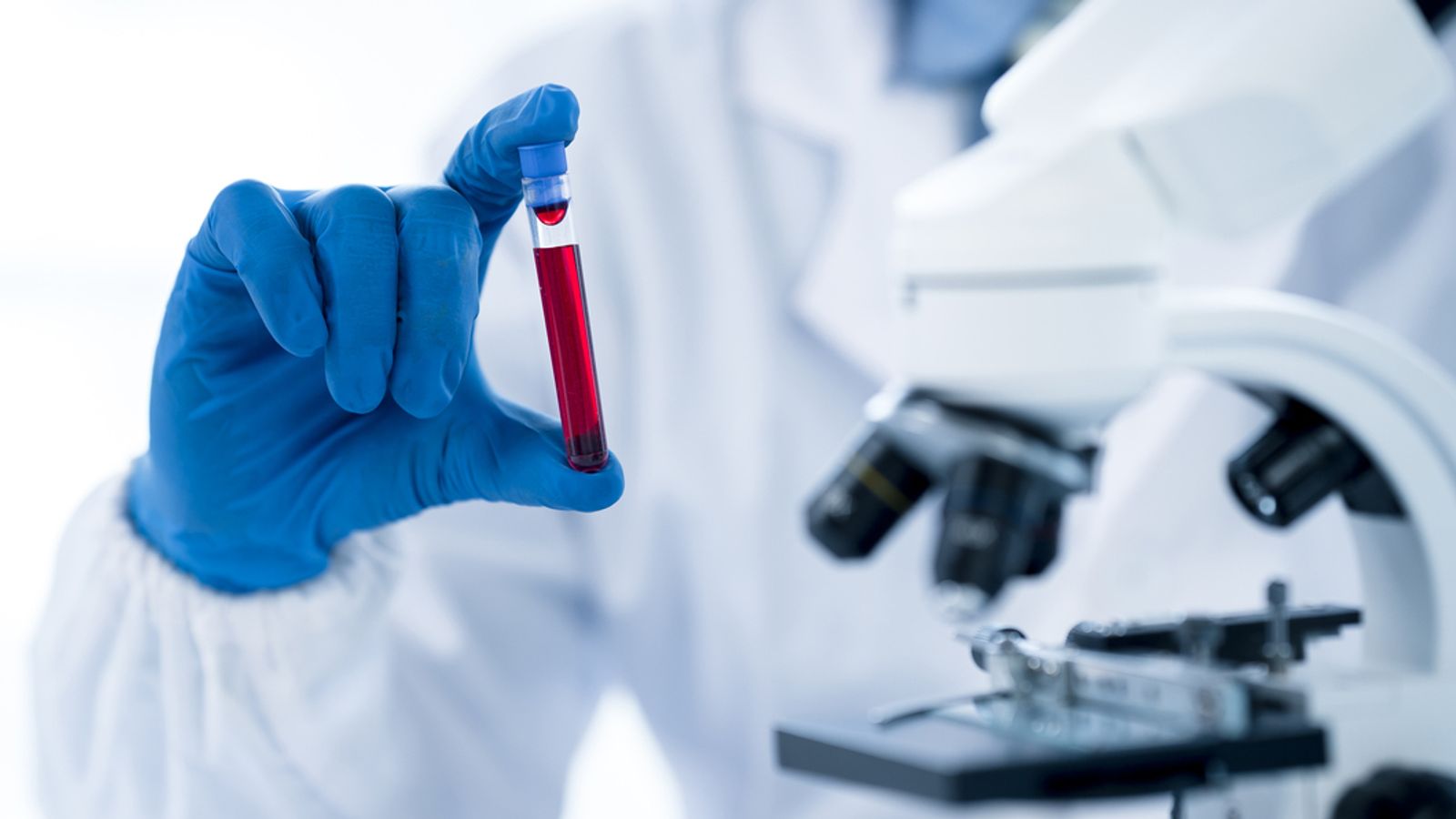
A new blood test, the amyloid probability score 2 (APS2), has been found to accurately identify Alzheimer's disease in both primary and secondary care settings.
The study, recently published in JAMA, involved 1,213 patients undergoing cognitive evaluation in Sweden between February 2020 and January 2024.
The APS2 blood test, which measures specific proteins associated with Alzheimer's disease, such as phosphorylated tau (p-tau217) and amyloid beta, achieved a diagnostic accuracy of 88-92% for detecting Alzheimer's pathology.
According to research published by the NIH, "before the early 2000s, the only sure way to know whether a person had Alzheimer’s or another form of dementia was by viewing molecular and cellular changes in brain tissue under a microscope after death."
‘Lecanemab and donanemab are FDA-approved immunotherapy drugs for the treatment of early Alzheimer’s. These drugs target the protein beta-amyloid to help reduce amyloid plaques, one of the hallmark brain changes in Alzheimer’s’ ,according to a NIH post.
As per a consensus statement published in June, ‘Anti-amyloid treatments for early symptomatic Alzheimer disease have recently become clinically available in some countries, which has greatly increased the need for biomarker confirmation of amyloid pathology.’
Research published in The Journal of Alzheimer's Association indicates that symptomatic Alzheimer's disease is frequently misdiagnosed. Studies show that 25% to 35% of patients treated in specialized clinics receive an incorrect diagnosis, and this rate may be even higher in primary care settings.
The introduction of a blood test with such high diagnostic accuracy could revolutionize the approach to diagnosing Alzheimer’s disease.
It offers a more accessible and less invasive alternative to existing methods, potentially reducing the rate of misdiagnosis and facilitating timely treatment initiation.
ALSO READ | Dr Chandrashekhar: Image Fat Depot Phenotypes | WCCKMM 2026
ALSO WATCH | The Indispensable Role of SGLT2i in Heart Failure
Support TheRightDoctors
A fake news pandemic has taken the world by storm. More so for medical content.
We are witnessing a paradox of information overload and unanswered questions among both the lay public and the medical community.
TheRightDoctors brings you Insights from thought leaders across leading medical specialities. Views which help correct the information asymmetry and articulate the voice of medical science and reason.
This effort, however, needs your support.
Medical journalism is a niche which can survive only when it is adequately funded.
If you appreciate the work we do, we would like to request your support. Every contribution however big or small is valuable to us.
The options on this page enable you to choose between a one-time, monthly or annual payment. This is inclusive of GST. If you are a firm with GST, we will issue a GST invoice. Please reach out to us at support@therightdoctors.com
We thank you for your trust and your support.
SupportTags: Jama | Aps2 | Bloodtest | Alzheimersdisease | Swedishstudy |





Most Popular

Dr. Pankaj Manoria on Post-MI Antiplatelet Therapy Selection

Understanding Systemic Burnout and Policy Initiatives for Doctors

Beyond the textbook: Overhauling Medical Curricula
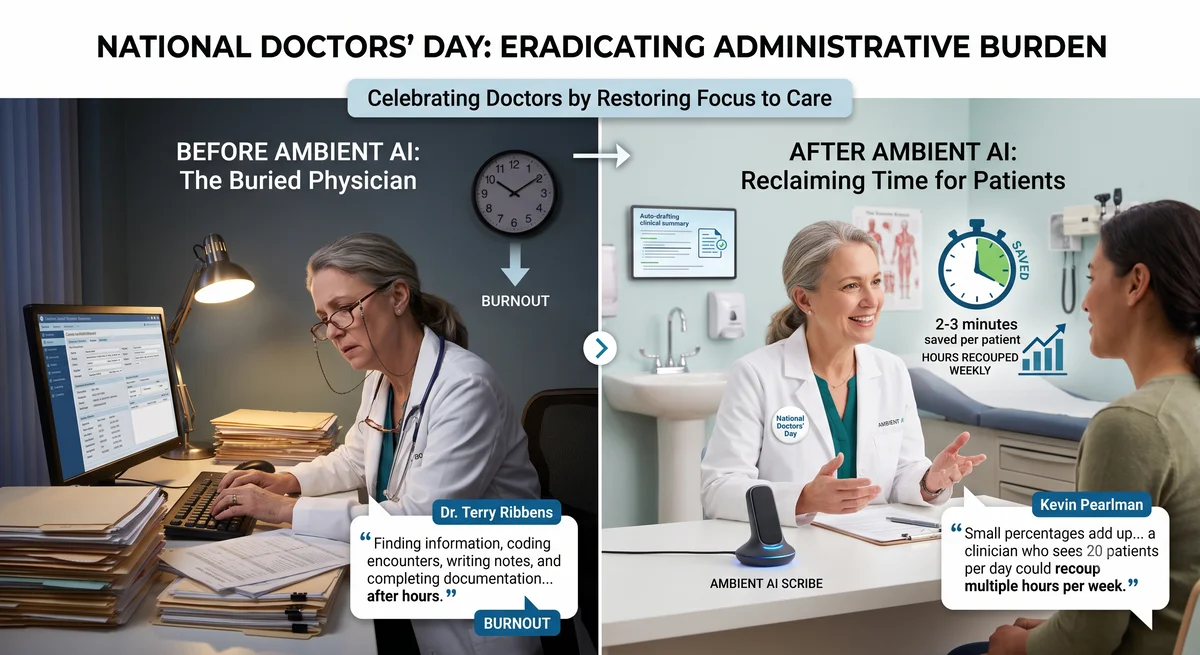
Eradicating Administrative Burden on National Doctors Day
More from TheRightDoctors

Cardiac MRI Scarring Above 5% Predicts Sudden Death Risk

Food Sequencing & Unpolished Grains Beat Sugar Substitution in CKM
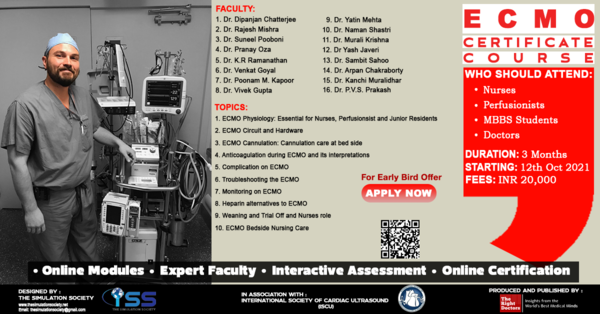
Click here to Register for ECMO course
Trending

Umbilical Cord LDL of 25 mg/dL is the True Standard: Dr Rajeev Agarwal

Carb Quality and Portion Control Outweigh Elimination: Dr. Niti Desai

UACR Above 10 mg/g Signals Vascular Damage: Dr. Anil Pareek

Sweeteners Disrupt Insulin Secretion, Warns Dr Shaifali Bansal
Powered by:
.png)
Awards & Recognitions:


